


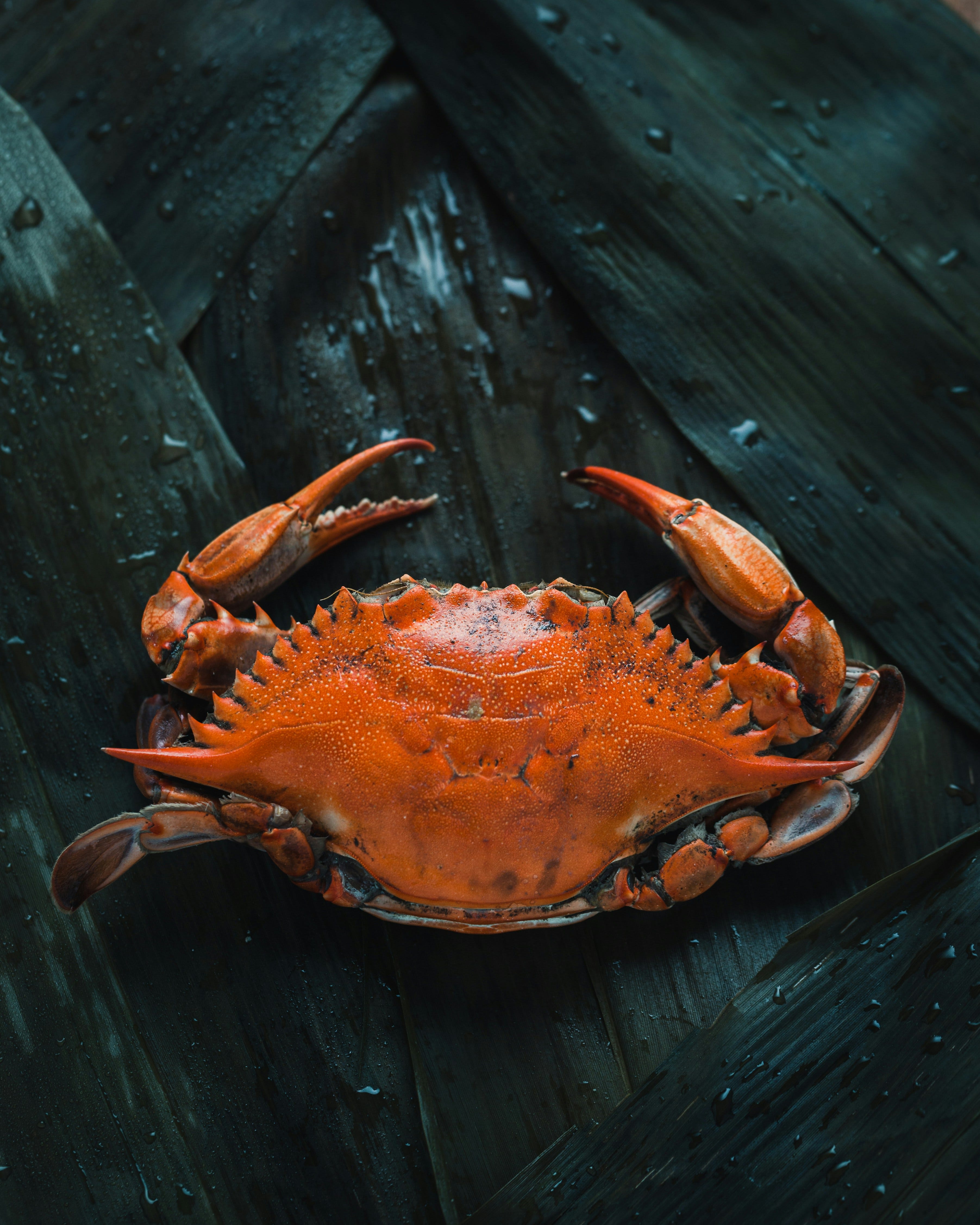
One of the most influential books I’ve ever read is Amy Tan’s The Joy Luck Club. One chapter in particular — “Best Quality” — has stayed with me since I first read it in the early 1990s.
Here’s the scene, as I remember it.
It’s Chinese New Year, and the family is gathered around the table. A huge platter of Dungeness crabs is passed from person to person. In Chinese tradition, you choose the very best one available. It’s not considered selfish; it’s considered proper. You honor the abundance that has been provided.
The first woman chooses the finest crab for her daughter and another beautiful one for herself. The platter continues around the table. Each person takes the best of what remains.
Eventually, it reaches June and her mother.
Only two crabs are left.
One is whole and beautiful. The other is damaged.
The table is quiet. Steam rising. The smell of the sea and ginger in the air. Everyone watching without watching.
Without hesitation, June reaches for the damaged crab, leaving the better one for her mother.
“No,” her mother says firmly. “Take the good one.”
June resists. Her mother insists.
What’s Going On?
For years, I thought this scene was about a mother’s love, wanting her daughter to have the best crab. And June wants her mom to have the best crab.
Now I think it’s about something much deeper.
It’s not about the crab.
It’s the moment before June’s hand moves.
She doesn’t stop and ask herself: “Which one do I want?”
She doesn’t weigh the options. She doesn’t consciously decide to sacrifice.
Her hand simply reaches.
Automatically.
That is the part that has haunted me.
Identity Moves Faster Than Awareness
June’s hand didn’t reach for the broken crab just this once. It had been reaching her whole life. The dinner table just made it visible.
I don’t think June chose the damaged crab.
I think she was the woman who chose the damaged crab.
That was her identity. Her nervous system had learned, long before that dinner, that someone else should have the better piece. Her hand moved before her awareness had a chance to catch up.
I wonder how many of us live that way.
Not because we consciously decide to take less. Because taking less has become who we believe we are.
The Broken Crab
Self-abandonment doesn’t usually announce itself.
It happens in the accumulated result of thousands of tiny moments — each one seemingly insignificant, each one sending the same quiet message.
Someone asks where you’d like to eat. You know exactly where you’d like to go. Instead you hear yourself say, “Whatever you want is fine.” Broken crab.
Someone interrupts you while you’re speaking. You never return to what you were saying. Broken crab.
You’re exhausted. Someone asks one more favor. You immediately say yes. Broken crab.
You receive a compliment. Instead of simply saying thank you, you explain why it isn’t true. Broken crab.
Your body says, “I’m hungry.” Your mind replies, “I’ll eat after I finish this.” Broken crab.
You look in the mirror. The first thing you notice is the wrinkle. Not your smile. Not your kind eyes. Broken crab.
Every one of these moments seems insignificant.
But together they become a way of living.
Every time I ignore what I want, I send myself the same message: my needs can wait. Eventually, I stop asking what my needs are.
Generosity or Self-Abandonment?
Here’s the distinction that changed everything for me.
Giving someone the better crab isn’t necessarily self-abandonment.
Sometimes it’s generosity.
The difference is whether you had a choice.
Generosity says: “I know what I want, and I freely choose to give it away.”
Self-abandonment says: “I never even asked myself what I wanted.”
One comes from freedom. The other comes from habit.
That difference matters more than most of us realize.
Where Agency Begins
Agency doesn’t begin when you choose the better crab.
Agency begins one second earlier.
It begins when you notice your hand reaching.
When you pause.
When you ask: “What do I want?”
Maybe you’ll still choose to give someone else the better piece. But now it’s a gift. Not an erasure of yourself.
Not to become selfish.
Simply to become visible to yourself.
That tiny pause changes everything.
The Broken Crab Experiment
If you’re willing, spend the next seven days simply noticing.
Don’t try to change anything yet. Just watch where your hand reaches.
Each time you catch yourself taking a broken crab, write it down. It might look like this:
I said “I don’t care,” when I actually did.
I apologized for something that didn’t require an apology.
I let someone interrupt me and never finished my thought.
I skipped lunch because everyone else needed something.
I dismissed a compliment.
I chose what everyone else wanted without consulting myself.
At the end of the week, sit quietly with these three questions:
1. Where do I most often reach for the broken crab? In relationships? Work? Family? My body? My dreams?
2. What identity might be driving that pattern? Am I trying to be easy? Helpful? Invisible? Good? Needed?
3. What would it look like to pause next time? Not to become selfish. Simply to become visible to myself.
Seeing things differently.
Perhaps that’s where reclamation begins.
Not with one grand declaration. Not with leaving your job or ending your marriage.
Perhaps it begins in a hundred ordinary moments when you notice your hand reaching for the broken crab —
— and for the very first time, you stop long enough to ask:
“Which one do I actually want?”
Because agency isn’t about taking the biggest crab.
It’s about remembering that your desire belongs at the table too.
The Tarot Nook
The Queen of Cups Reversed
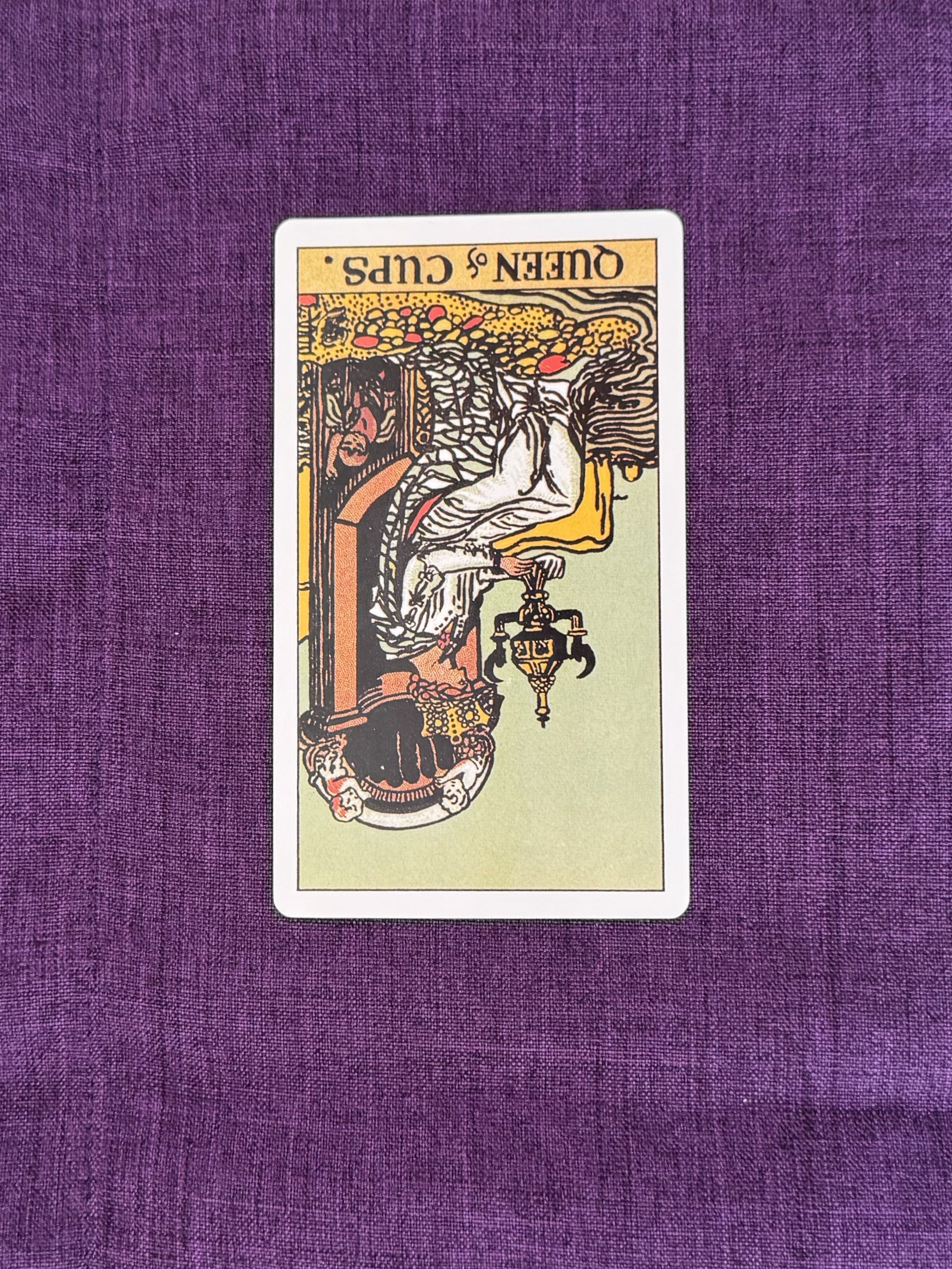
The Queen of Cups is the Queen of Intuition. She is deeply caring and attune to others. Reversed, the Queen puts other people first, she has poor emotional boundaries. She distrusts her inner sense of knowing.
The message here is that you need to broaden your circle of generosity to include YOURSELF. Offer compassion and love for yourself as well as others. Remember to be generous with yourself. This is the shift in awareness of your actions. Bring the motive from the unseen into the light. Take a pause and make a conscious decision on which crab to take. Understand the bigger picture.
This is so powerful. I love the broken crab story and how it applies
Yes... taking the leftovers or remnants instead of the choice pieces...